Global Right to Repair Community Meets at Automechanika Frankfurt 2026 to Strengthen International Cooperation and Discuss the Future of Vehicle Repair
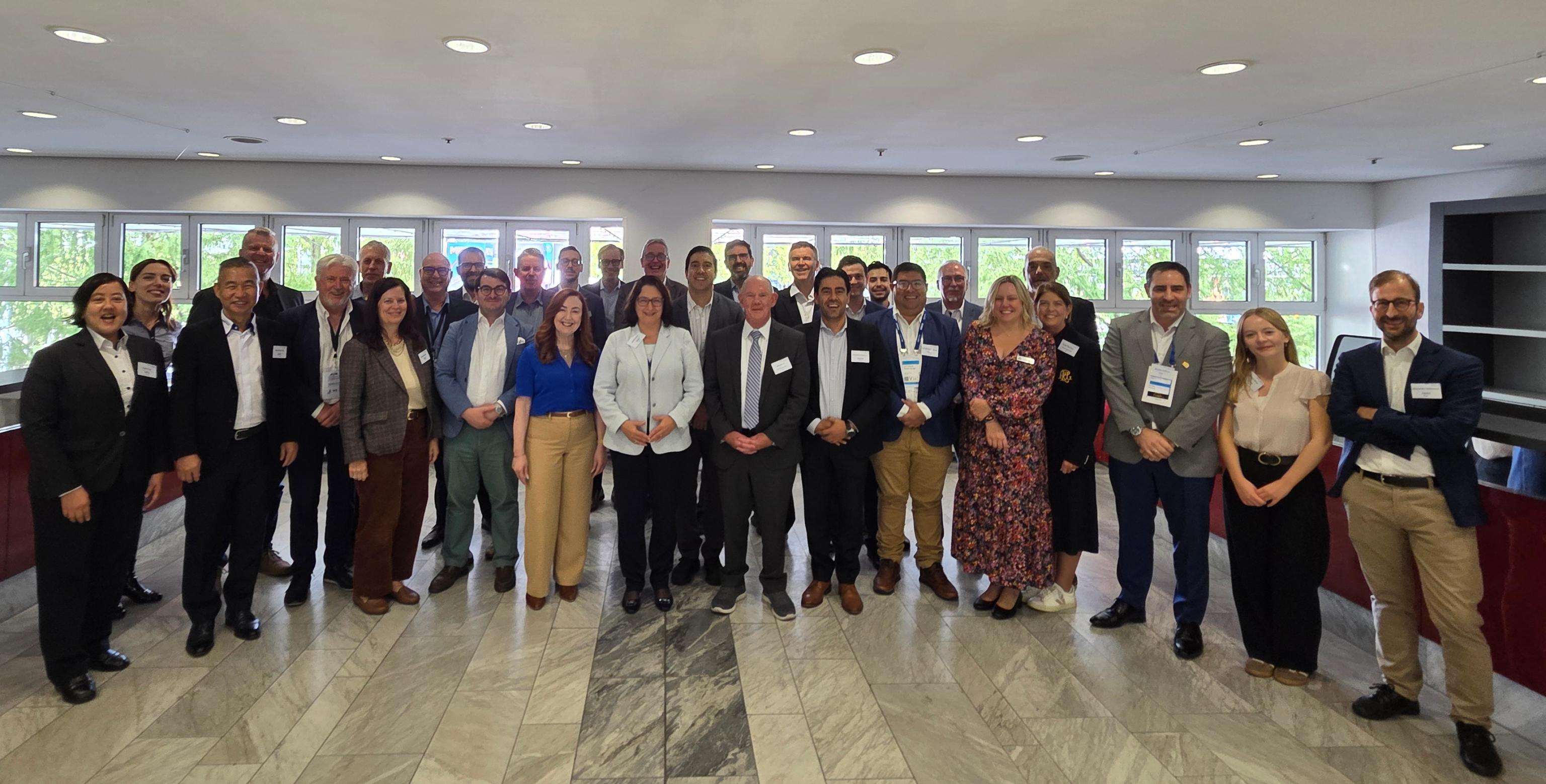
Frankfurt, 17 September 2026 – Representatives of automotive aftermarket associations from around the world gathered on Wednesday 10 at Automechanika Frankfurt for a Right to Repair Global (R2R Global) Meeting, reaffirming their shared commitment to protecting consumer choice, promoting fair competition, and safeguarding the future of the Independent Automotive Aftermarket (IAM). Jointly hosted by FIGIEFA and the Auto Care Association, the meeting brought together organisations from Europe, North and South America, Africa, Asia and Oceania to review progress, exchange practical experiences, and discuss the next phase of Right to Repair advocacy.
Over the years, the Right to Repair Global Meeting has become a valuable international forum for associations representing independent repairers, parts distributors, suppliers, data providers and consumers. The gathering provides an opportunity for stakeholders from different regions to compare regulatory developments, share best practices, and strengthen cooperation in support of independent vehicle repair and maintenance.
This year’s meeting was held under the theme “Maintaining Engagement and Momentum”, reflecting the growing maturity of Right to Repair initiatives around the world and the need to ensure continued progress as vehicle technology evolves. Discussions focused on developments across national Right to Repair campaigns, the impact of technological advancements on vehicle repair, and the resulting challenges facing independent operators. Participants also explored how organisations can sustain engagement as campaigns evolve and how the global community can work together to address shared issues.
Associations and regions represented
- Argentina (AFAC)
- Australia (Australian Automotive Aftermarket Association)
- Brazil (Automotive Aftermarket Alliance Brazil)
- Canada (AIA Canada)
- Chile (CAREP)
- Colombia (ASOPARTES)
- South Africa (MIWA, Right to Repair South Africa)
- United States (Auto Care Association, ETI, MEMA)
- Uruguay (CTMA)
- Venezuela (CANIDRA)
- European and international organisations including ADPA, CLEPA, EGEA, FIA Region I, FIGIEFA, GVA, and Insurance Europe.
Newcomers: This year’s meeting also welcomed EMPTA, the Engineering & Motor Parts Traders Association of Malaysia.
Growing momentum across the globe
Delegates shared updates on the status of Right to Repair initiatives in their respective jurisdictions. While the maturity of campaigns varies significantly between markets, participants reported continued progress worldwide ranging from early-awareness building campaigns and coalition development to legislative proposals, regulatory reviews and enforcement efforts.
A key theme throughout the meeting was the rapid transformation of the automotive aftermarket. Participants noted that many of today’s challenges extend beyond traditional repair activities and increasingly relate to issues around access to technical information, telematics, parts coding, and the enforcement of repair rights. Although regulatory frameworks differ across regions, these issues are emerging globally and are reshaping the conditions under which independent operators compete. A dedicated session on technology and data access examined how electrification, connectivity and digitalisation are changing the aftermarket landscape and what independent operators will need to remain competitive in the years ahead.
Participants also exchanged experiences on maintaining engagement and momentum over the long term in the Right to Repair journeys, sharing examples of successful advocacy campaigns, research initiatives, awareness-raising activities and coalition-building efforts. The discussion highlighted the importance of evidence-based advocacy, effective communication and sustained stakeholder engagement in advancing Right to Repair objectives.
Protecting independent repair and consumer choice
Participants reaffirmed that effective Right to Repair frameworks help ensure a competitive automotive aftermarket ecosystem that benefits vehicle owners, independent businesses and the wider economy. They stressed that consumers should remain free to choose where they maintain and repair their vehicles, while independent operators should have access to the information, tools, software functions and vehicle data necessary to compete on equal terms and continue delivering affordable and high-quality services.
Looking ahead, the Right to Repair Global community will continue working together to promote regulatory solutions that support innovation, consumer choice, sustainability, SME competitiveness and fair access to the increasingly digital vehicle ecosystem. Participants agreed to maintain close cooperation after meeting in Frankfurt and to continue sharing experiences, research and policy developments as campaigns advance around the world.